

Call us: (+92) 51 88 99 222


Cultural perceptions of gambling How beliefs shape behavior and choices
Understanding Gambling through Cultural Lenses
Cultural perceptions of gambling vary significantly across different societies, influencing individuals’ attitudes and behaviors. In some cultures, gambling is seen as a form of entertainment and leisure, while in others, it may be viewed as a vice or a moral failing. These cultural beliefs stem from historical, religious, and social contexts that shape how communities perceive risk and reward. For those interested in trying their luck, finding a way to enjoy real poker online has become a popular alternative to traditional gambling venues.
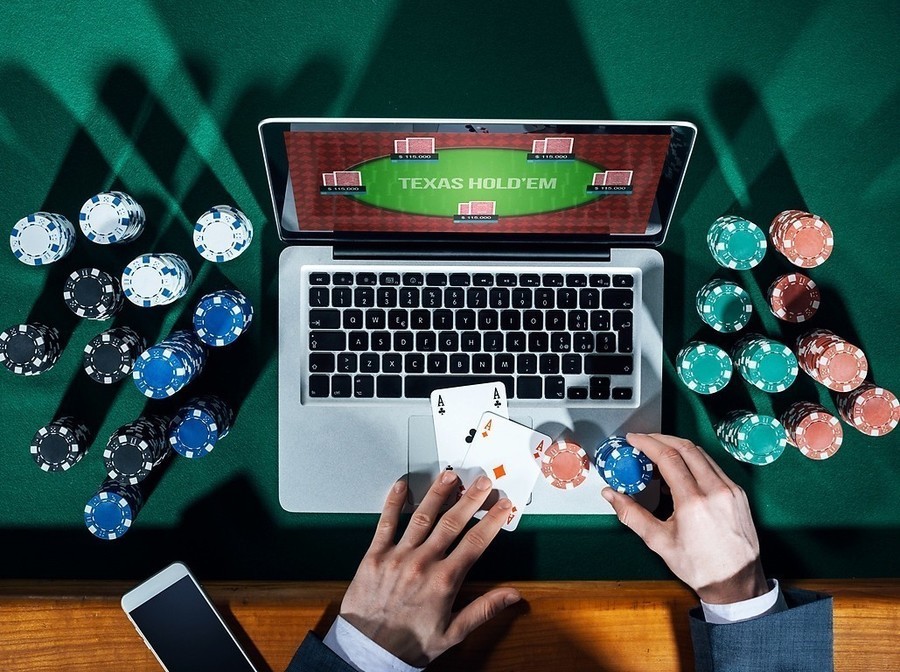
For instance, in many Western cultures, gambling has evolved into a popular pastime, often associated with social gatherings and celebrations. Conversely, in certain Eastern cultures, gambling may be frowned upon due to beliefs that emphasize caution and the value of hard work. This dichotomy affects not only personal choices but also the regulatory frameworks governing gambling activities in those societies.
The Influence of Religion on Gambling Perception
Religion plays a crucial role in shaping attitudes towards gambling. Many faiths have specific teachings about gambling, which can either condone or condemn the practice. For example, in Christianity, gambling is often viewed negatively, as it may encourage greed and a lack of personal responsibility. In contrast, some forms of gambling are accepted in certain Islamic cultures, particularly when viewed as a source of entertainment rather than a means to make a living.
The effects of religious beliefs extend beyond personal attitudes, influencing laws and regulations around gambling in various regions. Where religion discourages gambling, legal restrictions may be stricter, leading to a lower prevalence of gambling activities. Understanding this interplay between religion and culture can help in comprehending the diverse perspectives on gambling worldwide.
Social Norms and Their Impact on Gambling Behavior
Social norms significantly shape gambling behaviors, reinforcing or discouraging participation based on community attitudes. In cultures where gambling is normalized, individuals may feel more inclined to engage in such activities without fear of social repercussions. Conversely, in environments where gambling is stigmatized, individuals may experience guilt or shame when participating, which can deter them from engaging in gambling.
Furthermore, social networks play a vital role in shaping these norms. Friends and family can either encourage gambling as a group activity or discourage it through shared beliefs about its negative consequences. This social dimension underscores how cultural perceptions of gambling are not just individual beliefs but are deeply embedded in the fabric of community life.
The Psychological Aspects of Cultural Beliefs in Gambling
Cultural perceptions of gambling also have psychological implications that influence decision-making. People are often motivated by the beliefs instilled in them by their culture, which can affect their risk tolerance and susceptibility to gambling addiction. For example, individuals from cultures that celebrate success through high-risk behaviors may be more inclined to gamble, viewing it as an opportunity for wealth and status.
On the other hand, those raised in cultures that prioritize caution and responsibility may avoid gambling altogether, perceiving it as a threat to financial stability. This psychological interplay highlights the complexity of gambling behaviors, revealing how deeply entrenched cultural beliefs can impact individual choices and societal trends regarding gambling.
Exploring Gambling Culture on Our Website
This website serves as a platform for exploring diverse perspectives on gambling across various cultures. By providing insights into cultural beliefs and their impact on gambling behaviors, we aim to foster a deeper understanding of this multifaceted issue. Our content emphasizes the significance of cultural contexts, allowing readers to appreciate the nuances involved in gambling perceptions.
Ultimately, we encourage an informed discussion about gambling, recognizing that cultural perceptions play a vital role in shaping individual choices and societal norms. Whether you are a casual gambler or someone interested in the cultural implications of gambling, our website offers a wealth of information to enhance your understanding.